Ballpark
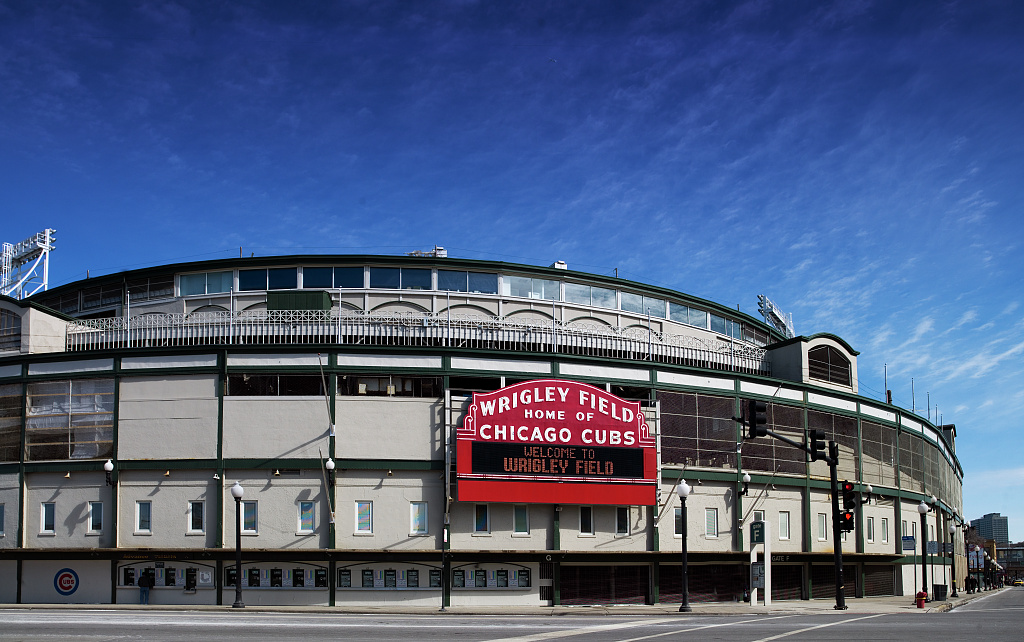
Wrigley Field
Chicago · 1914–2025 · config 2024
Favors hitters
(+0.1 runs for the away team)
Dimensions
LF 355′ · SLF 357′ · LFA 363′ · LC 363′ · CF 400′ · RCC 407′ · RC 381′ · RFA 381′ · SRF 363′ · RF 353′
Walls LF 16′ · LC 11′ · CF 11′ · RC 11′ · RF 16′
Ivy walls; wind decides the day
Tight foul ground
Capacity 41,649
When the wind blows out, hold on.
Overhead diagram
Photograph
About this park
Wrigley does not apologize for being a neighborhood park with ivy on the bricks. The walls are close enough that a well-struck ball becomes a conversation with the bleachers, and far enough that a pitcher who keeps the ball down can still work. The wind is the real umpire. Blow out and the place leans toward the hitters; blow in and fly balls fall like wet laundry.
Days at Wrigley are daylight baseball in the old sense — shadows crawling across the infield, the ivy swallowing line drives that would carom elsewhere. It rewards contact and nerve more than raw launch. Walk out of the concourse and the diamond looks intimate, almost friendly, until the first ball finds the ivy and reminds you the park has opinions.